
Summary
When you create a Jellyfin library, you usually point a new Library to a folder with your media files in and allow the Jellyfin metadata scraper to examine the file, identify it and then download the metadata to add it to a library..... but here's a tip
on any OS worth it's salt, you can have the physical media file in your pyhsical media folder
/media/TV/3 Body Problem/Season 01
'3 Body Problem - S01E01 - Countdown WEBRip-720p.mkv'
but, you could also create
/media/TV/3 Body Problem/Season 01 - Reversed
and create a "link" to the original media file which is a tiny pointer
/media/TV/3 Body Problem/Season 01 - Reversed
'linked.mkv --> '3 Body Problem - S01E01 - Countdown WEBRip-720p.mkv''
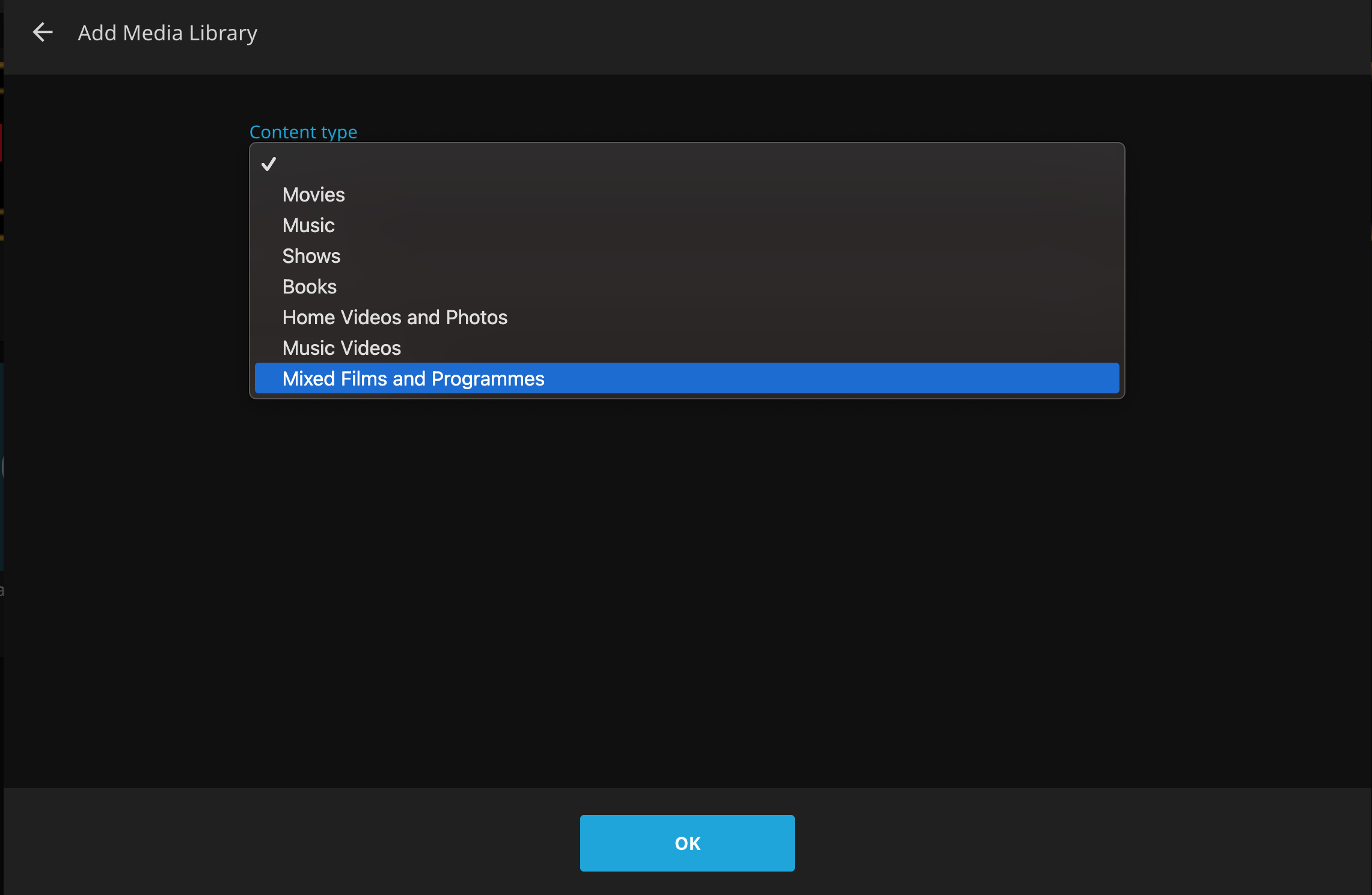
When you create a Jellyfin library, you usually point a new Library to a folder with your media files in and allow the Jellyfin metadata scraper to examine the file, identify it and then download the metadata to add it to a library..... but here's a tip ... on any OS worth it's salt, you can have the physical media file in your pyhsical media folder
Add Library Dialogue Box
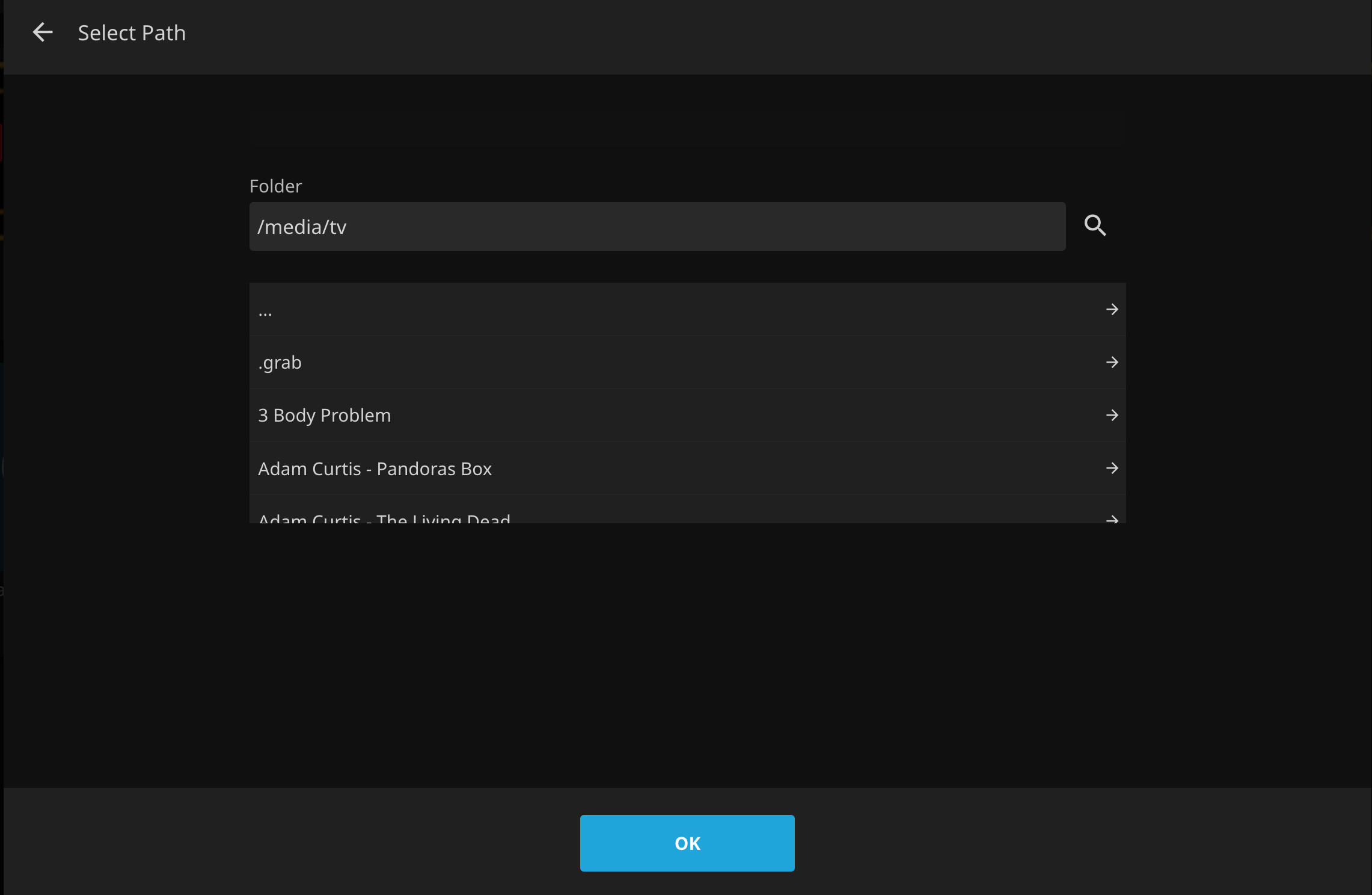
/media/TV/3 Body Problem/Season 01/3 Body Problem - S01E01 - Countdown WEBRip-720p.mkv'
but, you could also create
/media/TV/3 Body Problem/Season 01 - Reversed
and create a "link" to the original media file which is a tiny pointerpointer, such as
'linked.mkv --> '3 Body Problem - S01E01 - Countdown WEBRip-720p.mkv''
so